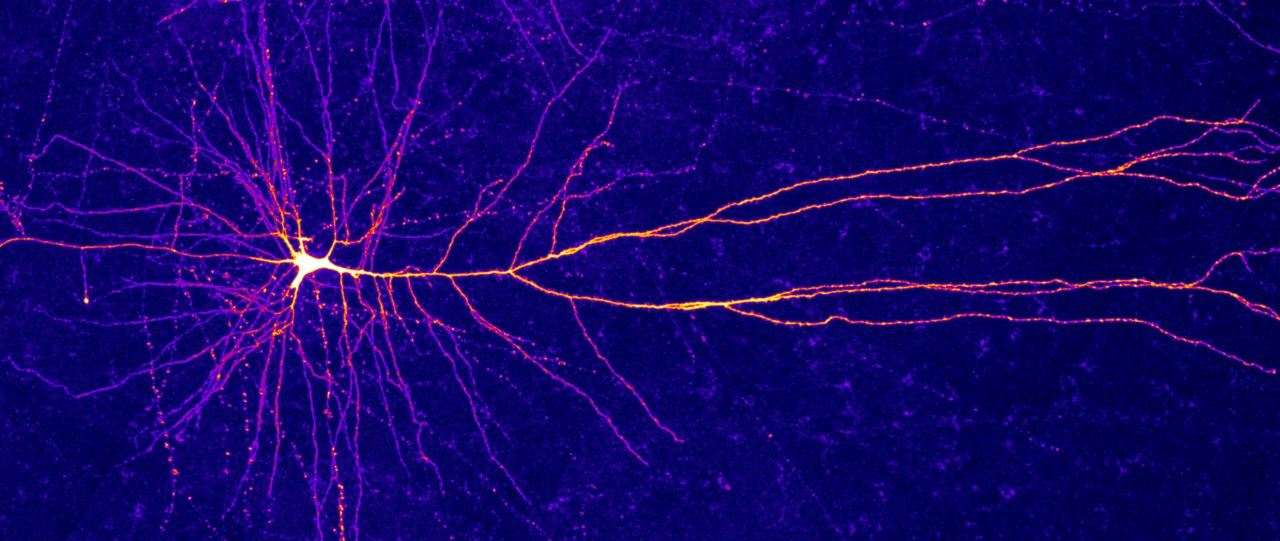
What we Believe dictates what we Do, and what we repeatedly Do defines who we Are. Our Beliefs, therefore, determine who we become; however, Beliefs are not static and for that matter neither are people. People are constantly shifting, changing, and growing- sometimes for the better, sometimes not but often back and forth again. It is a mistake to view people as either black or white, good or evil. Nobody is a monolith; no one is just one thing. For that matter, no one is just two things. People have many sides- many conflicting personalities shifting back and forth in dominance. A prison guard, for example, can act like a psychopath in a concentration camp, and then be a loving father and devoted husband at home. Both sides are true to who he is, and he may be many other things in between.
People can be cruel, and they should be held accountable for their actions, but nobody is pure evil.
Nobody, no matter how sadistic they may act to other living beings, is evil as they sleep or as they use the toilet, or as they wash their ass. People are multifaceted. Even if a person seems simple or daft, there is more to their inner world than what we can see from the outside; there is more to people than their surface differences. Most people have trouble with this idea; they prefer to label people, limiting them to neat little boxes. They prefer to think of people as static; either good or bad, Yes or No, One or Zero, but nobody is static. Everyone is constantly changing- from moment to moment. Change, ironically, is the one universal constant- even the dead continue to decompose and become something new. Most people think of themselves in terms of a fixed fictional construct: what Carl Jung called an Ego. It is an internal self-image that we try to project out for others to see, but we mustn’t confuse the mask for the man; it is only surface deep. We are more. A person may be an American and a Muslim, a socialist and a hunter, a cop and a gambler, or a Packers fan, etc. Each of these tribalistic allegiances are only segments of who we are, and all of these affiliations(say for one’s race, sex, and species) can be changed by choice at any time. Just because we may put time and energy into being a police officer doesn’t mean we need to be a cop forever, and just because we were a cop doesn’t mean we have to be proud of our service (maybe we didn’t do a good job; maybe the job was no good to us; maybe everything we discovered about that personal tribe was a disappointment).
If we are born into a tribe it does not mean we must be mindlessly and forever loyal to it if it conflicts with who we are. We need not subsume our individual selves into some bare bones caricature of self-image- such delusional goose-stepping, group-thinking, and self-denial can lead to the greatest of atrocities; things no individual would ever consider doing on their own. Community is a great thing, but blind tribalism is the death of reason. “Two heads” are only better than one if they are both critical thinkers. All such caricatures are just masks, and they can be taken off. we mustn’t forget we have another face underneath; we are not two-faced, we are multi-faced. Like some strange and beautiful Hindu god, we are ever-changing, even when we don’t think we are. Everything and everyone constantly changes that which does not change dies and then changes anyway; all is forever in flux. The key to happiness then is not to fight this cosmic law but to continue becoming your truest self to be mindful. This type of introspective awareness dissolves the illusion of duality (separateness from others and the world). This nonduality leads to empathy, even Great Compassion for other living beings, and that is a wonderful thing indeed. A lazy tribalistic us vs. them, black or white mindset is the opposite of that enlightenment realization.
People prefer to view others as only good or bad. If, for example, an artist creates great beauty but behaves badly, people choose to believe only one or the other. Fans only believe the good art and not the bad behavior; critics believe only the bad behavior and not the good art. The art was “just a cover”, the critics claim. “The behavior is just slander!” assert the fans. This type of cognitive dissonance (the perseverance of belief despite the evidence) is a gross failure of human reason. Such simplistic views of people and the world are quite divorced from our expansive nuanced Reality and our own potential. We must overcome this simplemindedness as surely as we must socially evolve past our propensity for blind tribalistic loyalty in order to move the project of our species’ civilization forward. We must accept and become comfortable with the complexity of our changing multi-faceted world.
 Enchained Empirical Ethicist
Your reflection on the multifaceted nature of human identity is both profound and crucial. By emphasizing that people are not static but constantly evolving, you challenge the simplistic dichotomy of good versus evil that often pervades our judgments. This perspective is refreshing and necessary, as it encourages us to look beyond surface-level impressions and appreciate the deeper, more complex nature of individuals.
The idea that everyone has many facets—shifting between various roles and behaviors—reminds us that our identities are not confined to rigid categories. This recognition fosters empathy and understanding, allowing us to engage with others more compassionately. Your analogy to the Hindu concept of multi-faced deities beautifully illustrates the continuous flux of human nature and the importance of embracing this fluidity rather than clinging to fixed labels.
Moreover, your critique of blind tribalism and the danger of reducing people to mere caricatures highlights the need for critical thinking and personal integrity. It’s a powerful reminder that community and identity should not come at the expense of reason and self-awareness. By advocating for introspective awareness and rejecting simplistic views, you encourage us to engage with the world in a more nuanced and compassionate way.
Thank you for presenting such a thought-provoking perspective. Your insights offer valuable guidance for navigating our complex, ever-changing world and for fostering deeper, more meaningful connections with others.
LikeLike