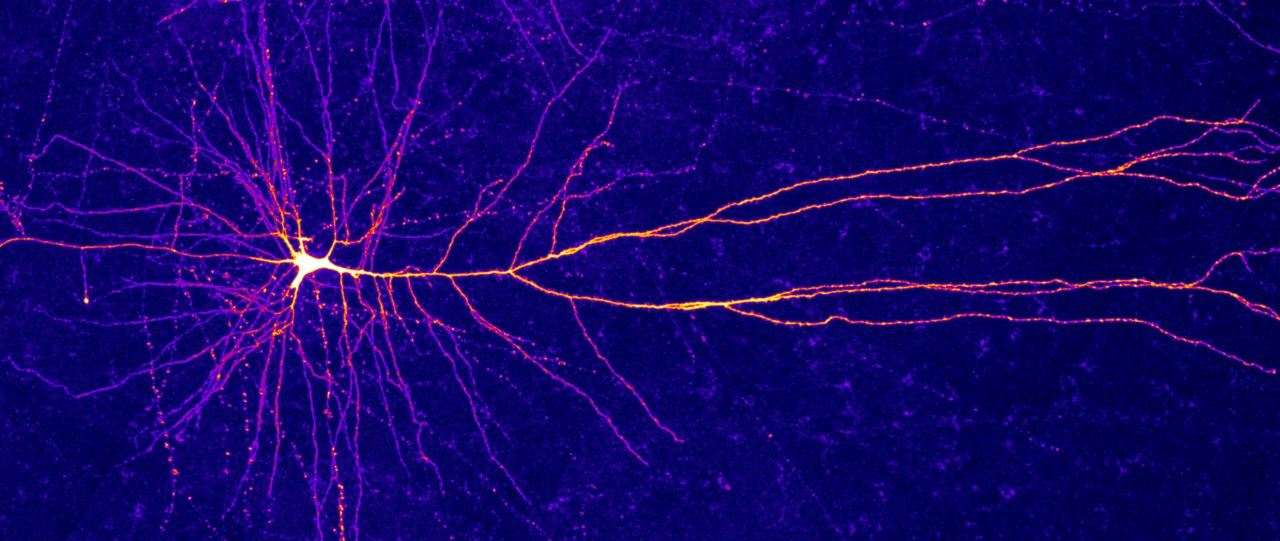
When it comes to my own wellbeing, I am often quite irreverent. Everything from minor safety precautions to contemplations of suicide, I tend to flaunt away with a shrug. However, once I understood the scientific basis of, and the evidence for, how we’re “all connected,” combined with Panpsychist philosophies of Consciousness as existing on a Spectrum, I had to reevaluate (or risk holding a double standard) regarding my devil-may-cry attitude. Because the reality is that none of us exist in a vacuum, it is not actually possible to hurt just ourselves.
Even setting aside the concerns of our loved ones, any terrible unintended consequences, or the impact that our negative choices may have on those who rely on us, internally, we are not alone. The “higher consciousness” making these decisions for the rest of our body is supported by trillions of microorganisms, each with their own interests and levels of self-awareness. Though we can’t currently (definitively) prove such micro-consciousness scales, it is always best to air on the side of Doing Least Harm. For if we later find out that they were just automata, then no harm was done by our caution, but if we carelessly (and callously) assume the opposite—as is the case with the billions of yearly experiments forced onto our animal captives– then we have caused the greatest, most needless, harm imaginable.
It may seem strange to “anthropomorphize” the cells of your body, and that is not my intent—they are not bipedal primates, but they are potentially vital, living beings in their own right. What I am trying to do is find scientific (or at least benefit of the doubt) reasons to avoid needless self-harm. When impulses of suicide or self-sabotage arise, I wish to be equipped to empirically guide myself back to sanity and compassion. By taking into consideration the needs of our hard-working selves, (which, after all, are what make our higher cognition of ours possible) along with nifty verifiable facts, such as the neural synapses of our stomach’s bacterial biome, I strive to give both myself and others the tools (and reasons) to become evermore compassionate agents in a multi-spectral world.
If I, for example, wouldn’t normally take the time to critically research the health effects of something I enjoy eating, or that it is simply convenient to eat for myself yet balk at feeding my vulnerable dependents without taking the proper care, why then should I so neglect the wellbeing of the microorganisms that depend on my decisions, comprise my body, and make my higher cognition possible?
Disinterest? Laziness? Self-delusion? Are such failures of conviction really justifiable when the welfare of our dependents is at stake? I think not.
So, Be Kind To All of “Your-Selves.”
 Enchained Empirical Ethicist
Another superb article. Your exploration of interconnectedness and self-responsibility sheds light on a profound ethical consideration. By recognizing that our actions impact not just on ourselves, but everything around us, you depart from the common tendency to neglect the broader consequences of our choices. Your argument compellingly underscores the importance of extending compassion and caution to every aspect of our being, including the smallest and often overlooked elements. This perspective encourages a more holistic approach to personal and ethical responsibility, suggesting that a deeper awareness of our interconnectedness can lead to more compassionate and mindful living, in general. Its a powerful reminder that our wellbeing is intricately linked to the wellbeing of all parts of ourselves, thus advocating a kinder, more considerate approach to how we treat both ourselves and the world around us. Truly, Well done.
LikeLike